Jubilee Childcare Centre
What is EYFS and School Readiness
What is EYFS?
Understanding the learning behind your child’s nursery and Reception experience
If you’ve ever collected your child from nursery and heard all about painting, building dens, making friends, or eating snack — but wondered when the learning happens — this guide is for you.
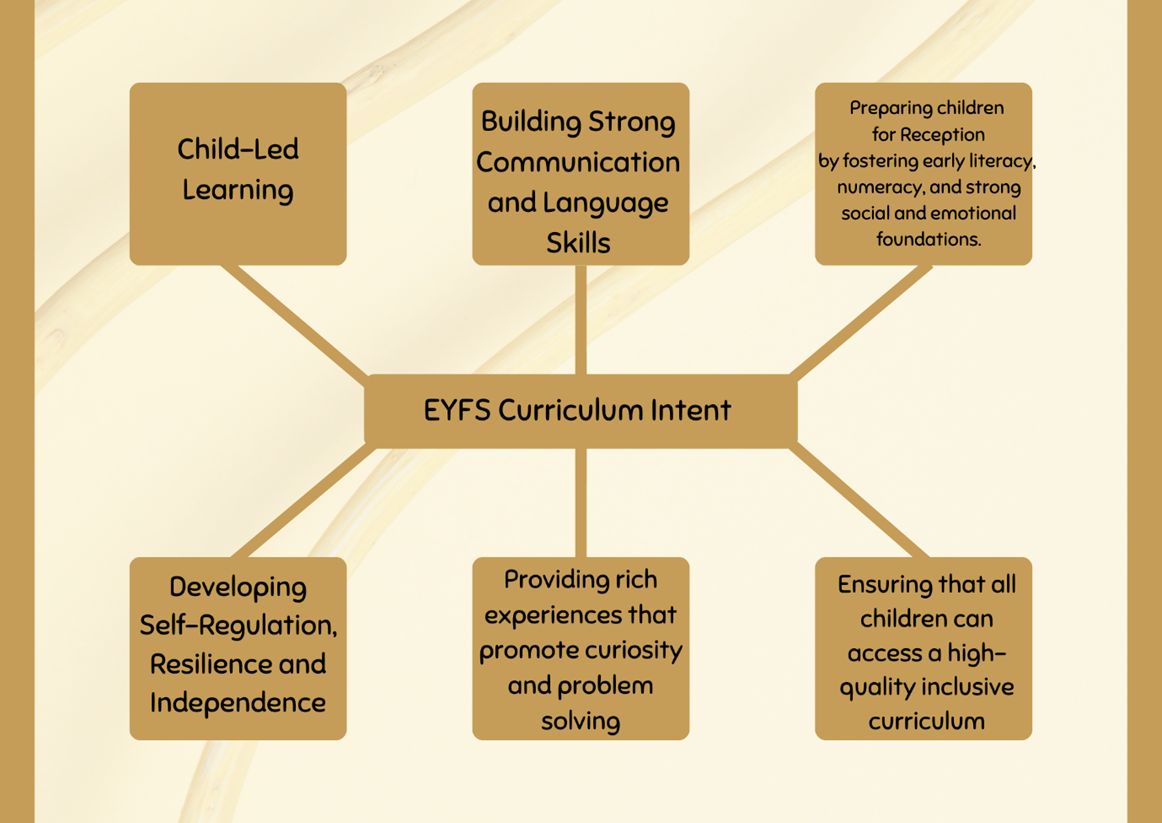
EYFS (the Early Years Foundation Stage) is the framework that guides learning in every nursery, preschool, childminder setting and Reception classroom in England.
It supports children from birth until the end of Reception (the school year in which they turn five) and helps build the foundations for confident, happy learners.
The lovely thing about EYFS is that learning doesn’t usually look like learning. Young children learn best through play, exploration, conversation, movement and relationships — so while children feel like they’re simply playing, they’re actually developing skills that prepare them for school and beyond.
As parents, understanding EYFS can help you:
- feel more confident about what your child is learning
- understand what teachers mean by school readiness
- spot the small but important skills your child is developing every day
- support learning naturally at home (without needing worksheets or formal lessons)
Many parents are surprised to discover that school readiness isn’t mainly about reading or writing.
Reception teachers often care just as much — or more — about whether a child can:
- talk about how they feel
- listen and follow simple instructions
- put on their own coat
- play alongside others
- try again when something feels tricky
These are the building blocks that help children settle, enjoy school and thrive.
In this guide, we’ll walk you through:
- the seven areas of EYFS learning
- the Early Learning Goals
- simple ways you can support learning at home
- how our Nursery brings EYFS to life each day
Whether your child is just starting nursery or preparing for Reception, we hope this helps make the journey feel a little clearer — and a little less overwhelming.
1. The Seven Areas of EYFS Learning
Seven areas that help children grow, learn, and thrive
EYFS supports children across seven areas of learning and development.
Rather than separating learning into traditional school subjects, EYFS recognises that young children learn through experiences that connect — talking, playing, moving, exploring, and building relationships.
The seven areas are divided into:
Prime Areas
These are the foundations for all learning and begin from birth.
Specific Areas
These develop alongside the prime areas and become more visible as children grow.
Children do not learn these areas separately — they often happen all at once.
For example, when a child builds a tower with a friend, they may be developing language, mathematics, problem-solving, physical skills, and social confidence all at the same time.
The Three Prime Areas
Communication and Language
Learning to listen, understand and express ideas.
Children develop:
- listening and attention
- understanding language
- speaking confidently
Language is one of the strongest foundations for future learning.
Personal, Social and Emotional Development
Learning to understand feelings and build relationships.
Children develop:
- confidence and independence
- managing emotions
- resilience and perseverance
- friendships and cooperation
These everyday skills help children feel secure and ready to learn.
Physical Development
Learning through movement and active play.
Children develop:
- balance and coordination
- fine motor skills for writing and everyday tasks
- physical confidence
- independence and self-care
Movement is an important part of early learning.
The Four Specific Areas
Literacy
Developing a love of stories, books, and communication.
Children explore:
- stories and books
- rhymes and songs
- mark-making and early writing
- sounds and early reading
Mathematics
Building confidence with numbers through everyday experiences.
Children learn through:
- counting
- patterns
- measuring
- comparing and sorting
Understanding the World
Discovering people, places and the world around them.
Children explore:
- nature and seasons
- family and community
- traditions and celebrations
- curiosity and investigation
Expressive Arts and Design
Using imagination to create and communicate.
Children enjoy:
- art and making
- music and movement
- role play
- storytelling and creativity
These seven areas work together to help children become confident, curious learners.
2. Communication and Language
The area that supports almost everything else
If there is one area that teachers consistently highlight as important for school readiness, it is communication and language.
Children who can listen, express themselves and understand others often find it easier to:
- make friends
- ask questions
- follow routines
- develop reading skills
- feel confident in new situations
The wonderful thing is that language develops through ordinary moments.
Talking in the car, reading bedtime stories, singing songs, chatting while cooking — all of these experiences matter.
Simple ways to support language at home:
- Read together every day
- Ask open-ended questions
- Give children time to answer
- Tell stories about your day
- Sing nursery rhymes and repeat favourite books
Children do not need constant teaching — they need conversation.
If you have concerns about your child’s speech or understanding, speak to your GP, health visitor or nursery team for advice and support.
3. Personal, Social and Emotional Development
Helping children feel confident, secure, and ready for school
Personal, Social and Emotional Development (often shortened to PSED) helps children build the confidence and independence they need for everyday life.
This area supports children to:
- understand and manage feelings
- cope when things feel difficult
- become more independent
- build positive relationships
- develop confidence and resilience
These skills grow gradually through daily experiences.
A child learning to wait for their turn, trying to zip up their coat, or recovering after a disappointment is developing important lifelong skills.
Ways to support this at home:
- Encourage children to try things independently
- Name emotions as they happen
- Allow time for turn-taking
- Celebrate effort, not perfection
- Give opportunities to make small choices
Children do not need to do everything perfectly — they simply need opportunities to practise.
4. Physical Development
Growing strong, capable and confident
Physical development plays a much bigger role in school readiness than many parents expect.
Children develop through:
Gross motor skills
Large movements such as:
- running
- climbing
- balancing
- jumping
- throwing
Fine motor skills
Smaller movements such as:
- drawing
- threading
- using scissors
- building
- fastening buttons
These skills support everyday school experiences — from carrying a lunch plate to beginning early writing.
Easy ways to support physical development:
- Spend time outdoors every day
- Visit parks and playgrounds
- Offer drawing and craft opportunities
- Encourage dressing independently
- Use playdough and construction toys
Children learn best when movement feels enjoyable.
There is no need to rush — confidence grows with practice, time and encouragement.
Is My Child Ready for Reception?
A gentle guide for parents
Starting Reception is a big milestone — and it’s completely normal to wonder whether your child is ready.
Many parents imagine school readiness means reading books, writing neatly, or counting confidently.
Reception teachers often look first for something different:
Can your child communicate what they need?
Can they join in with routines?
Can they begin to manage small tasks independently?
Can they recover when things feel difficult?
Children arrive at Reception with different strengths, personalities, and experiences — and that’s exactly as it should be.
This guide is not a checklist to pass or fail.
Instead, it offers a helpful picture of the kinds of skills that help children feel confident, settled, and ready to enjoy their first year at school.
What Does “Reception Ready” Really Mean?
Reception readiness is about helping children feel:
✓ Safe
✓ Confident
✓ Curious
✓ Independent
✓ Ready to learn alongside others
Children do not need to be able to do everything alone.
Teachers expect to support children with routines, friendships, and new experiences.
The aim is not perfection — it’s confidence to try.
Communication and Language
Can my child…
- Talk about their needs and feelings in simple ways?
- Listen to short instructions?
- Join conversations and take turns speaking?
- Enjoy sharing books and stories?
- Ask questions or talk about things they notice?
- Listen in a small group for a short period?
Ways to support at home
- Read together every day
- Chat during journeys and routines
- Ask open questions
- Sing songs and nursery rhymes
- Give your child time to answer
Helpful reminder:
Children do not need perfect pronunciation or long conversations — confidence matters more.
Personal, Social and Emotional Development
Can my child…
- Separate from familiar adults with support?
- Begin to manage emotions appropriately?
- Take turns and share sometimes?
- Ask for help when needed?
- Keep trying when something feels difficult?
- Begin to follow simple routines?
- Play alongside and with other children?
Ways to support at home
- Encourage independence in small ways
- Name feelings together
- Practise turn-taking games
- Arrange opportunities to play with others
- Celebrate effort rather than outcomes
Helpful reminder:
Learning to cope with disappointment and change is part of becoming school ready.
Physical Development and Independence
Can my child…
- Put on and remove a coat with some support?
- Use the toilet independently most of the time?
- Wash and dry hands?
- Open a lunchbox or snack container?
- Carry a small bag?
- Use cutlery appropriately?
- Hold a pencil comfortably?
- Enjoy moving, climbing and playing outdoors?
Ways to support at home
- Practise dressing and undressing
- Offer scissors, playdough and drawing activities
- Encourage outdoor movement every day
- Allow extra time for children to try independently
Helpful reminder:
These everyday skills build confidence and reduce anxiety at school.
Early Literacy and Mathematics
Can my child…
- Enjoy listening to stories?
- Recognise some familiar sounds or letters?
- Notice print in everyday life?
- Draw, mark-make or attempt writing?
- Count objects during play?
- Compare size, quantity and patterns?
Ways to support at home
- Read aloud daily
- Play sound games and rhymes
- Count naturally throughout the day
- Spot numbers and letters together
Helpful reminder:
Children do not need to be reading before Reception.
Curiosity, Creativity and Learning Behaviours
Can my child…
□ Explore new activities?
□ Ask questions?
□ Pretend and imagine?
□ Concentrate on something they enjoy?
□ Return to activities they find interesting?
□ Show pride in achievements?
Ways to support at home
- Allow unhurried play
- Visit parks, libraries and museums
- Encourage role play and creativity
- Follow your child’s interests
Helpful reminder:
Reception values curiosity just as much as knowledge.
A Note for Parents
Please remember:
- School readiness is not a race.
- Children develop at different times and in different ways.
- No child arrives able to do everything.
- Reception teachers expect to teach routines, build confidence and support children as they settle.
- Your child’s most important preparation is not worksheets or extra lessons.
- It is feeling safe, loved, listened to and encouraged to try.
- That is more than enough.
A Simple Reflection
As you prepare for Reception, ask yourself:
Does my child feel secure?
Do they enjoy exploring?
Are they beginning to do some things independently?
Do they know adults will help when they need it?
If the answer is “mostly” — they are probably more ready than you think.